
Blog

Our Personal Injury Blog

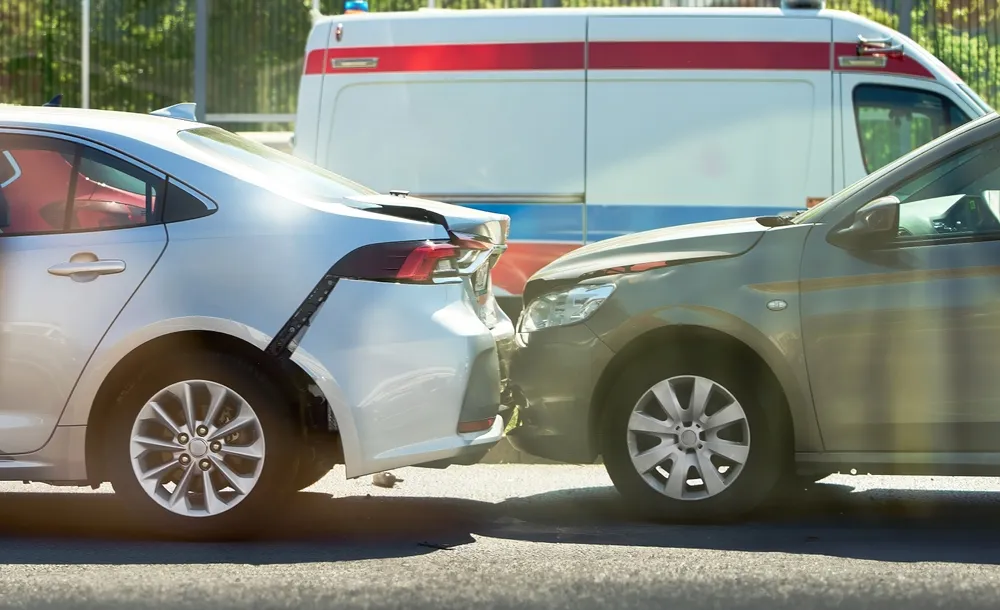
what to do after a hit and run

What to Do After a Hit-and-Run in Texas

Key Takeaways Staying at the scene and photographing vehicle damage and plates, and collecting witness information, protects evidence before it disappears. Texas law requires drivers involved in injury crashes to stop, provide information, and remain at the scene. Uninsured motorist coverage often becomes the primary path to compensation when a fleeing driver cannot be found. […]

what is a demand letter

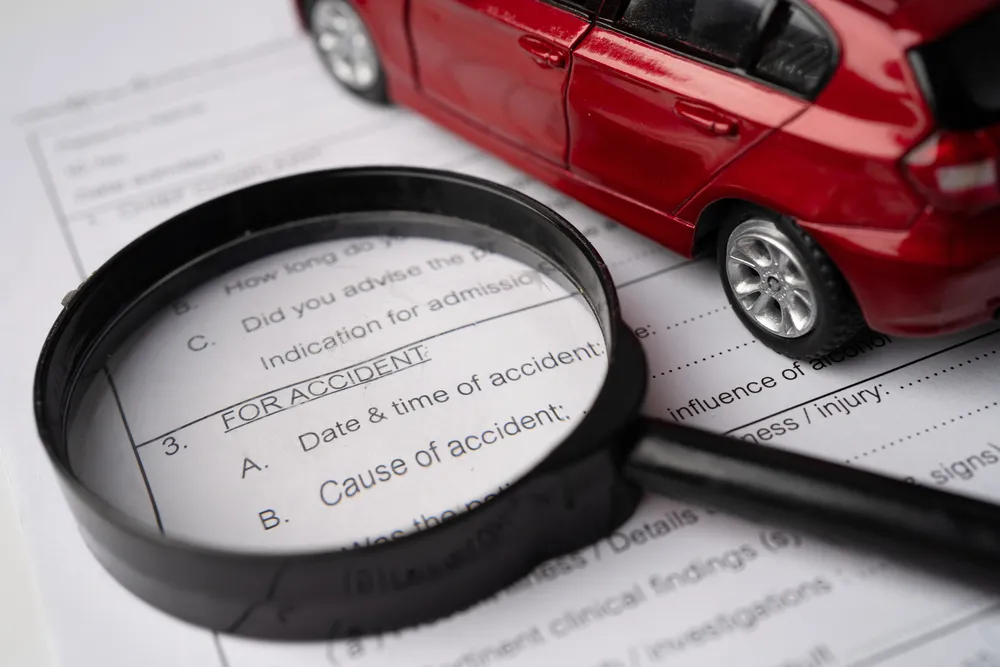
What Is a Demand Letter in a Texas Personal Injury Claim?

Key Takeaways A demand letter formally requests compensation and puts an insurer on notice of a claim’s full scope. Insurers respond to documentation, so a vague letter typically draws a vague or incomplete settlement offer. Strong letters include documented medical records, lost wage proof, and clear liability evidence supporting the claim. After a demand letter […]

t bone accident who's at fault

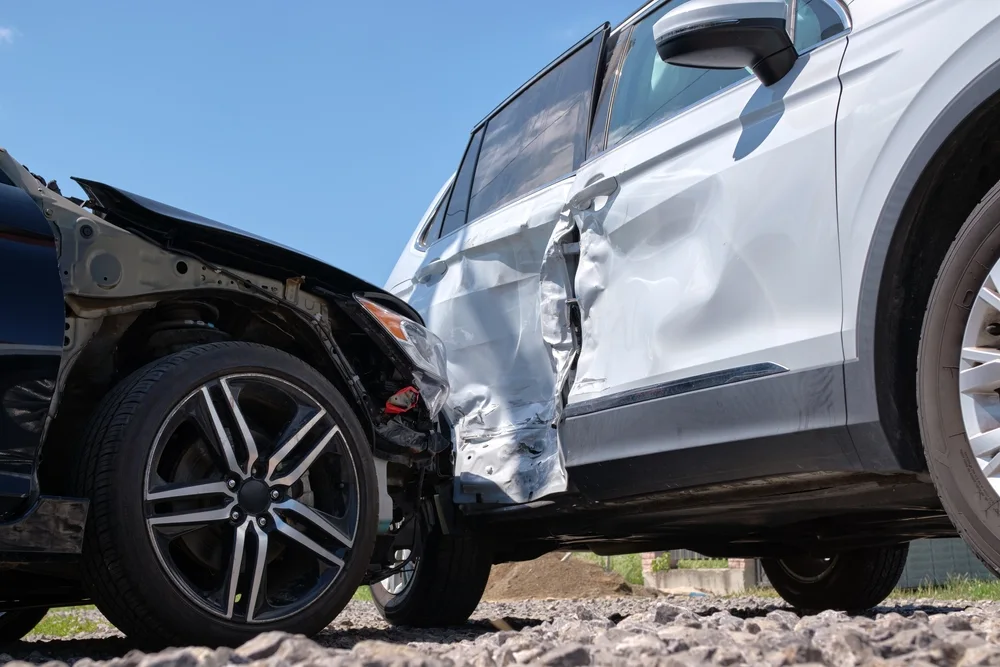
Who’s At Fault in a T-Bone Accident in Texas?

Key Takeaways A T-bone accident happens when one vehicle strikes the side of another, often at an intersection. Angle collisions cause more traffic deaths than any other two-vehicle crash type. Fault often traces to a driver who ran a light, missed a stop sign, or misjudged a turn. In Texas, an injured driver cannot recover […]

is texas a no fault state

Is Texas a No-Fault State? What Injured Drivers Need to Know

Key Takeaways Texas is an at-fault state, so the driver who caused the crash is responsible for the harm. Texas drivers must carry liability insurance that meets the minimum limits in Transportation Code Chapter 601. An injured person found more than 50 percent responsible for a crash cannot receive compensation in Texas. Police reports, photos, […]

do i need a lawyer for a slip and fall

Do I Need a Lawyer for a Slip and Fall in Sugar Land?

Key Takeaways You can handle a small claim alone, but serious injuries or a fight over fault call for a lawyer. In Texas, why you were on the property affects how much the owner must protect you. Many cases come down to whether the owner knew about the hazard or should have noticed it. If […]

what is premises liability

What Is Premises Liability?

Key Takeaways The law holds property owners responsible when an unsafe condition they failed to fix causes your injury. Texas expects owners to check their property, fix problems in a reasonable time, and warn visitors about dangers. The reason you were on the property affects how much protection the law gives you. You usually need […]

what happens if you are hit by an uninsured driver

What Happens If You’re Hit by an Uninsured Driver in Texas?

Key Takeaways Your own uninsured/underinsured motorist coverage can pay when the at-fault driver has no insurance or too little. Texas insurers must include UM/UIM coverage in auto policies unless a person named on the policy rejects it in writing. You can sue an uninsured driver directly, but collecting a judgment from that driver is often […]

how long do you have to report a car accident

How Long Do You Have to Report a Car Accident in Texas?

Key Takeaways Texas drivers must notify police immediately after crashes involving injury, death, or a vehicle unsafe to drive. The state no longer retains driver-filed crash reports, so the officer’s CR-3 serves as the official record. No Texas statute sets a deadline for notifying your insurer, but most auto policies require prompt notice. Reporting a […]

who is at fault in a rear end collision

Who Is at Fault in a Rear-End Collision?

Key Takeaways Texas law presumes the rear driver is at fault for failing to keep a safe following distance. Lead drivers can share fault for sudden stops, broken brake lights, reversing, or cut-offs. Texas comparative fault law bars recovery once fault reaches 51 percent or more. Police reports, photos, dashcam footage, and witness statements help […]

what is loss of consortium

What Is Loss of Consortium in a Personal Injury Case?

Key Takeaways Loss of consortium lets a spouse or family member seek compensation for lost companionship after a serious injury. Texas treats this claim as a separate, non-economic damage tied to the underlying injury case. Spouses may file in most injury cases, while parents and children qualify mainly in wrongful death or catastrophic injury cases. […]