An injury caused by unsafe property conditions can disrupt nearly every part of daily life, from medical treatment and missed work to ongoing concerns about recovery and financial stability. Property owners throughout Sugar Land are expected to maintain reasonably safe conditions for customers, visitors, tenants, and guests who lawfully enter their premises. When unsafe conditions lead to serious harm, speaking with a premises liability lawyer in Sugar Land can help you understand your legal options and protect your ability to recover compensation.
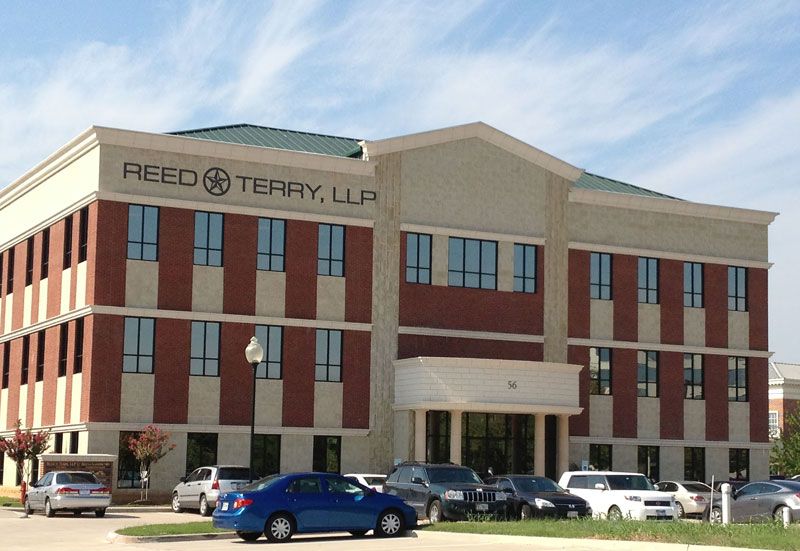
At Reed & Terry Law Firm, we work closely with injured individuals throughout Fort Bend County who need guidance after preventable accidents.
Premises liability claims are rarely straightforward. After an accident, property owners and insurance companies often focus on limiting responsibility by suggesting the injured person overlooked an obvious condition or played a role in what happened. Building a strong case usually depends on uncovering how long the hazard existed, whether reasonable safety measures were ignored, and how the injury could have been prevented.
Working with an attorney who understands Sugar Land and the broader Fort Bend County area can have a meaningful impact on how a premises liability claim is investigated and presented. Retail establishments, apartment communities, commercial properties, and entertainment venues may each be subject to different legal responsibilities depending on the nature of the property and the circumstances surrounding the incident.
Many injured individuals are unsure whether they have grounds to pursue a claim after an accident. A detailed legal evaluation can help determine whether unsafe property conditions, inadequate maintenance, or negligent management practices contributed to the incident and whether compensation may be available under Texas law.
Texas law generally requires property owners and occupiers to maintain reasonably safe conditions for lawful visitors. Hazards such as wet floors, broken stairways, poor lighting, loose handrails, unsafe walkways, and inadequate security measures can create dangerous situations for guests and tenants.
In premises liability cases, negligence often involves showing that a property owner knew, or reasonably should have known, of a dangerous condition and failed to address it in a timely manner.
The level of responsibility may vary depending on why someone was on the property in the first place. Businesses that invite customers onto their premises are generally expected to regularly inspect the premises and address conditions that could place visitors at risk. In Sugar Land, that can include anything from poorly maintained walkways at apartment communities to unsafe conditions inside restaurants, stores, hotels, and entertainment venues.
Property owners sometimes argue that a hazard appeared too recently for them to discover it. In other situations, they may claim warning signs were posted or that the injured individual was distracted. A detailed investigation can help determine whether reasonable safety procedures were actually followed.
A premises liability case in Fort Bend County involves far more than showing that an injury happened on someone else’s property. Insurance companies often examine surveillance footage, maintenance records, medical history, and witness statements in an effort to dispute how the accident occurred or minimize the seriousness of the injuries.
Local experience can play an important role in premises liability litigation, as each county court system has its own procedures and expectations. Familiarity with Fort Bend County courts, local property management practices, and regional business operations can help strengthen case preparation and improve communication throughout the claims process. Sugar Land continues to experience significant residential and commercial growth, bringing increased activity to shopping centers, apartment communities, restaurants, and entertainment venues across the area.
High traffic areas near First Colony Mall, Sugar Land Town Square, Highway 6, and surrounding residential developments require consistent maintenance and safety oversight to help prevent dangerous conditions from developing. Many of these properties experience steady foot traffic throughout the day, making routine inspections and timely repairs especially important in reducing the risk of avoidable injuries.
Important evidence can disappear quickly after an accident. Surveillance footage may be deleted within days, hazardous conditions are often repaired immediately, and witness recollections tend to fade over time. Prompt legal guidance can help preserve information that may later become important to the claim.
Local knowledge can also help determine whether outside maintenance companies, contractors, or security providers contributed to unsafe property conditions before the incident.
Our premises liability lawyers offer initial consultations totally free of charge. We can discuss your case in person at one of our law offices in Sugar Land, Katy or Richmond, or we can conduct your free consultation over Zoom. Se habla Español.
Our personal injury law firm regularly represents clients from throughout the Houston area, Austin and beyond.
To request your free case review, fill out our online form or give us a call at (281) 491-5000.
Premises liability injuries can occur in a wide range of settings, including apartment complexes, restaurants, parking facilities, retail stores, and other commercial properties. Some incidents arise from temporary hazards that were not addressed promptly, while others result from ongoing maintenance or safety issues that remained unresolved over time.
Slip and fall injuries remain one of the most common reasons people pursue premises liability claims in Sugar Land. What begins as an ordinary visit to a grocery store, apartment complex, or retail center can change in seconds when a property has not been properly maintained. Wet entryways, uneven pavement, loose flooring, broken handrails, and poor lighting are problems people encounter every day throughout Fort Bend County.
Property owners and managers are generally expected to keep walkways and common areas reasonably safe for visitors. When spills are ignored, damaged surfaces go unrepaired, or hazards are left without warning signs, serious injuries can follow. Falls often lead to broken bones, back injuries, torn ligaments, head trauma, and lingering pain that affects daily routines long after the accident itself.
Apartment communities can present additional concerns because tenants and visitors rely on safe stairwells, elevators, sidewalks, parking areas, and shared spaces. Conditions around pools, breezeways, and poorly lit walkways can become especially dangerous when regular maintenance is neglected.
Insurance companies frequently seek ways to place responsibility on the injured person rather than on the unsafe condition itself. It is not unusual for adjusters to argue that someone simply failed to notice the hazard. Photographs, witness statements, and incident reports gathered soon after the accident can make a substantial difference when questions later arise about how the injury occurred.
In Sugar Land, weather can also contribute to dangerous property conditions. Heavy rain, standing water near entrances, and slippery sidewalks often become hazards when businesses or property owners fail to address them in a timely manner.
Not every premises liability claim involves a fall or physical hazard. Some cases arise after assaults, robberies, or other criminal acts occur on properties where reasonable security measures may have been lacking.
Apartment complexes, hotels, bars, shopping centers, parking garages, and neighborhood associations may have obligations to provide adequate lighting, functioning gates, surveillance systems, security patrols, or properly maintained locks, depending on prior incidents and surrounding conditions.
Poor lighting, unsecured entrances, malfunctioning gates, and inadequate surveillance can increase the risk of assaults, robberies, and other criminal activity on a property. When owners or management companies fail to respond appropriately to known security concerns or repeated incidents, injured individuals may have the right to pursue compensation for the harm they suffered.
Sugar Land residents expect commercial and residential properties to maintain safe environments for visitors and tenants. When a property owner fails to address known security concerns, serious physical and emotional harm can result.
These cases often involve reviewing police reports, incident histories, maintenance records, and prior complaints about criminal activity on the property. Demonstrating that the danger was foreseeable is frequently a key issue in inadequate security litigation.
In legal terms, liability generally refers to responsibility for injuries or damages caused by a party’s actions or omissions. In negligent security cases, proving responsibility may depend on showing the property owner failed to take reasonable precautions despite known risks.
What happens in the hours and days after a premises injury can affect both recovery and the strength of a future claim. Injuries that appear manageable at first sometimes develop into more serious medical issues once the shock of the accident wears off.
Seeking timely medical care is one of the most important steps after a premises-related injury. Early evaluation not only supports physical recovery but also creates documentation linking the injuries to the incident and identifies conditions that may become more serious without proper treatment.
Photos, witness information, and incident reports can also become extremely important in proving liability later.
Whenever possible, take photographs or videos of the dangerous condition before it is repaired or removed. Conditions such as spilled liquids, broken pavement, inadequate lighting, missing warning signs, or damaged stairs can change rapidly after an accident.
Report the incident to the property owner, manager, or supervisor and request a written incident report if available. Many businesses maintain internal reporting procedures for customer injuries, but these records are not always automatically provided later.
Witness information may also become critical. Individuals who observed the hazard or witnessed the accident can help confirm the conditions that existed at the time of the injury.
Keeping records of symptoms, medical treatment, and physical limitations after the accident may help demonstrate how the injury affected daily life and overall well-being.
Avoid providing recorded statements to insurance adjusters immediately after the accident without first understanding your legal rights. Insurance companies frequently contact injured individuals early in the process, seeking information that may later be used to reduce or deny the claim.
Medical records, receipts, treatment recommendations, and documentation of missed work should all be carefully preserved. Even injuries that seem manageable initially may require surgery, rehabilitation, or long-term pain management.
Texas also places time limits on injury claims. Under Texas Civil Practice and Remedies Code §16.003, most personal injury lawsuits must generally be filed within two years from the date of the injury. Waiting too long to pursue legal action can place compensation at risk.
A successful premises liability claim requires more than proof that an accident occurred on someone else’s property. The injured party must demonstrate that the property owner or occupier failed to maintain reasonably safe conditions and that the hazardous condition directly contributed to the injury.
The strength of a claim often depends on the quality of the available evidence and on how clearly the facts are presented.
Most premises liability cases turn on whether a dangerous condition should have been addressed before someone was injured and whether the property owner failed to take reasonable steps to prevent the injury.
In most cases, the claim must show that the property owner had a responsibility to maintain safe conditions and failed to do so. That may involve ignored hazards, delayed repairs, inadequate inspections, or insufficient warnings.
It is also necessary to connect the unsafe condition directly to the injury itself. Insurance companies often argue that the injuries were unrelated to the accident or preexisting. Medical records, treatment history, and documentation showing how the injury affected everyday life can all become important when establishing damages.
According to Texas Civil Practice and Remedies Code Chapter 41, Texas law addresses standards involving damages in civil claims, including compensation categories that may apply depending on the facts of the case.
A common dispute in these cases involves whether the dangerous condition should have been discovered before the injury occurred. Maintenance logs, inspection records, surveillance footage, and prior complaints may help show that the hazard existed long enough that corrective action should have been taken.
Cases involving apartment complexes and commercial properties may also involve third-party maintenance companies, contractors, or security providers, making it important to identify all potentially responsible parties.
Serious premises liability injuries can continue affecting a person’s health, mobility, employment, and daily life long after the initial accident.
Shortly after an incident is reported, insurance representatives often begin reviewing the circumstances surrounding the claim. Statements made early in the process may later be used to challenge the extent of the injuries or shift responsibility elsewhere. Early legal guidance can help protect key evidence and avoid unnecessary complications as the case develops.
Reed & Terry is a very good law firm. They are very responsive and kept me informed about my case. Janna also does a good job of responding to any questions that I had. I would definitely recommend Reed & Terry if you are looking for a law firm.
I had a great experience working with this law office from start to finish. The team was professional, responsive, and kept me informed throughout the entire process. They took the time to explain everything clearly and made sure my questions were always answered. I truly appreciated how smooth and stress-free they made the situation. Their communication and follow-through were top-tier, and I felt confident knowing my case was being handled properly. I would absolutely recommend this office to anyone in need of legal representation.
I have worked with Reed & Terry Law firm on two separate occasions. Though the wheels of justice move slowly these guys are the best at taking care of “the little guy/gals”. Should the need for an attorney ever arise again, my first and only call will be Reed & Terry Law Firm.
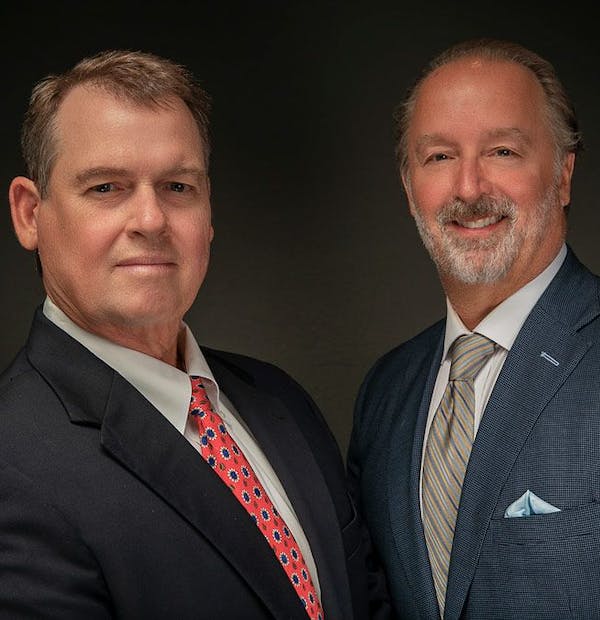
Jack and Travis are exceptional trial lawyers who also happen to be great human beings. I have worked with Reed and Terry for years and wouldn’t hesitate to trust these guys with any significant case.
The financial impact of a serious premises injury often extends well beyond the initial emergency room visit. Ongoing medical care, missed paychecks, rehabilitation expenses, and day-to-day household costs can quickly become overwhelming while recovery is still underway.
The value of a claim depends on several factors, including the severity of the injuries, long-term medical needs, impact on employment, and whether permanent limitations developed after the accident.
Compensation in premises liability claims may include reimbursement for emergency room treatment, hospital stays, physical therapy, specialist visits, medications, imaging studies, and future medical expenses related to the injury.
Lost wages may also be recoverable when injuries prevent someone from returning to work temporarily or permanently. Some individuals experience reduced earning capacity due to physical limitations that limit future employment opportunities.
Pain and suffering damages may address the physical discomfort and emotional distress resulting from the injury. Serious falls and traumatic incidents can affect sleep, mobility, mental health, family relationships, and overall quality of life.
Cases involving permanent disabilities or long-term impairments may require additional evaluation regarding future care costs and ongoing limitations.
Some claims are pushed toward settlement before the full impact of the injury is clear. In more serious cases, ongoing treatment, rehabilitation, or time away from work may continue far longer than expected.
An attorney can help evaluate medical records, treatment recommendations, lost income documentation, and other evidence to determine whether a settlement offer reflects the actual impact of the injury.
Evaluating a premises liability claim requires careful consideration of both current losses and the long-term impact the injury may have on a person’s health, finances, and daily life.
Sugar Land continues to grow with new residential developments, retail centers, restaurants, and commercial properties across the area. With more residents and visitors moving through these spaces every day, routine maintenance and consistent safety practices remain important for protecting the public from preventable injuries. Conditions that may seem minor at first can quickly become serious hazards when left unaddressed.
After a serious injury on unsafe property, many people are left trying to balance medical treatment, lost income, and uncertainty about what comes next. At the same time, property owners and insurance companies may already be gathering information and assessing potential liability. Taking steps early to protect evidence and understand your legal options can make an important difference as the claim moves forward.
At Reed & Terry Law Firm, we represent injured individuals throughout Sugar Land and Fort Bend County in premises liability claims involving unsafe property conditions. Whether an injury occurred at an apartment complex, shopping center, parking garage, restaurant, or other commercial property, our team is prepared to evaluate the circumstances of the incident and explain the legal options available under Texas law.
Call (281) 491-5000 to schedule a free case review with a Sugar Land premises liability attorney today.
At Reed & Terry Law Firm, our personal injury attorneys have over 60 years of combined experience providing high-quality representation to clients throughout Texas. Our firm is proudly affiliated with prestigious organizations, including: