A pedestrian crash can transform an ordinary day into a crisis within seconds, and one missed stop sign or one rushed driver is all it takes to leave someone with serious injuries, mounting medical bills, and deep uncertainty about their next steps. For families across Richmond and the surrounding areas, those questions come fast, and the situation that follows can feel overwhelming.
Texas law gives injured pedestrians the right to pursue compensation, but protecting that right requires fast action and legal guidance by your side. A Richmond pedestrian accident lawyer who understands local roads, insurance tactics, and Texas liability rules can make a difference in the outcome of your case.
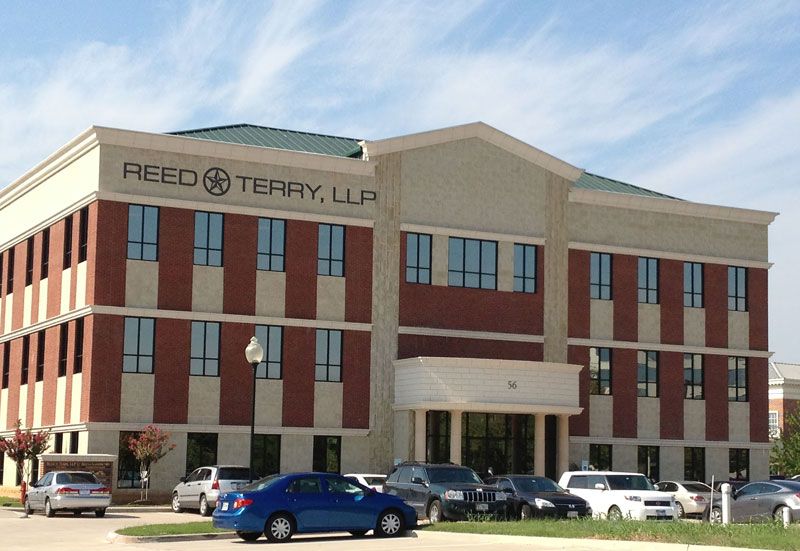
At Reed & Terry Law Firm, our team is committed to protecting your rights, building a solid case on your behalf, and helping you navigate the legal process with clarity and confidence.
A Richmond pedestrian accident attorney can protect your claim, handle key legal tasks, and help you avoid costly mistakes from the moment you decide to take action.
Depending on the case that may include:
Having an attorney involved from the beginning gives your case a solid foundation and allows you to focus on your recovery while your legal claims are handled with care.
Richmond traffic conditions directly affect how pedestrian crashes happen. Busy intersections, school zones, shopping areas, and multi-lane roads create a higher risk for people on foot. A Richmond pedestrian accident lawyer understands these local patterns and can evaluate how road design, signal timing, visibility, and traffic flow contributed to the incident.
Local knowledge also helps address common driver claims, as some drivers argue that a pedestrian crossed improperly or appeared without warning. Reviewing the scene, traffic conditions, and available evidence helps determine whether those claims are supported or whether driver behavior had a larger role.
Texas applies a proportionate responsibility rule, and under Texas Civil Practice and Remedies Code Section 33.001, recovery becomes unavailable when a person’s share of fault exceeds 50 percent. Because fault directly affects a claim, insurers often seek to assign responsibility to the injured person early.
An attorney can review the evidence and address those fault arguments. Witness statements, crash reports, video, and scene details can show whether driver inattention, speed, or failure to yield contributed to the collision, even when a driver disputes the facts.
Medical records also had a role; treatment notes, imaging, therapy, and work restrictions help connect the injury to the crash and explain how daily life changed. Clear documentation helps present a complete claim and respond to insurance challenges.
Our wrongful death lawyers offer initial consultations totally free of charge. We can discuss your case in person at one of our law offices in Sugar Land, Katy or Richmond, or we can conduct your free consultation over Zoom. Se habla Español.
Our personal injury law firm regularly represents clients from throughout the Houston area, Austin and beyond.
To request your free case review, fill out our online form or give us a call at (281) 491-5000.
Driver inattention, speeding, and failure to yield are among the most common causes of pedestrian accidents, and the consequences are often severe. Pedestrians lack the protection drivers have inside a vehicle, so the human body absorbs the full force of the impact even at lower speeds. Those consequences are reflected in statewide data: according to the recent data in the Texas Department of Transportation, the state recorded 6,095 pedestrian crashes in previous years, with 772 deaths and 1,455 serious injuries.
In Richmond, these incidents frequently occur at intersections, crosswalks near retail areas, parking lot entrances, and roads with limited pedestrian visibility. Familiar routes can create a false sense of security for drivers, and when attention fades, pedestrians are the ones most exposed to the consequences.
Intersections demand constant attention; drivers must watch signal changes, turning lanes, approaching cars, cyclists, and people crossing on foot. A brief distraction from a phone, dashboard screen, or passenger can interrupt that focus at the wrong moment. In a pedestrian case, even two lost seconds can matter.
A Richmond pedestrian accident lawyer can investigate whether distraction played a role by reviewing surveillance footage, dash-cam video, phone records when available, witness accounts, and damage patterns. The pedestrian’s path, the signal timing, and the driver’s speed can help reveal whether the driver simply failed to look where they should have.
Busy intersections also create a common mistake. Some drivers focus only on gaps in vehicle traffic while preparing to turn; they look left for cars, start the turn, and never check the crosswalk carefully. That split-second error can lead to a violent impact, and in many cases, the pedestrian has little or no time to react.
Crosswalks exist for a reason; they mark places where drivers should slow down, stay alert, and yield when required. Still, many crashes happen when a driver rolls through a turn, accelerates to beat a light, or assumes the crossing area will remain clear, and those choices create obvious danger for people walking through an intersection.
Failure-to-yield cases can involve marked crosswalks, unmarked crosswalk areas at intersections, school crossings, and parking lot pedestrian routes. Evidence may include road markings, signal phasing, line-of-sight conditions, witness statements, and scene photographs. A lawyer may use those details to show whether the driver ignored a clear duty to watch for pedestrians.
Crosswalk cases can also raise a practical issue that many injured people do not expect. Insurance companies sometimes argue that a pedestrian stepped outside the crosswalk by a few feet, thereby causing the crash. Real situations do not follow a perfect diagram; road design, construction, fading paint, poor lighting, or blocked pathways may affect where people walk. A thorough review matters.
The first hours after a pedestrian collision often feel disorienting as pain, fear, shock, and confusion can all come on at once. Many injured people worry about the cost of treatment before they even understand the full extent of the injury, while others assume soreness will pass, only to learn later they suffered fractures, head trauma, or soft tissue damage needing longer care.
Early steps can protect health and a legal claim; medical care should come first. A prompt evaluation can identify internal injuries, document symptoms, and create a treatment record linking the injury to the collision. Waiting too long can make recovery harder and give insurers an opportunity to question how badly a person was hurt.
Calling 911, documenting the scene, and seeking medical care immediately are the most important actions a pedestrian can take after a crash.
Starting with these steps can make a difference:
Under Texas Transportation Code Section 550.023, a driver involved in an injury crash must provide identifying information, share insurance details, and offer reasonable assistance to the injured person. When a driver fails to follow those duties, that failure can become a significant issue in the claim. A Richmond pedestrian accident lawyer can help review communications, preserve evidence, and ensure those details are properly documented throughout the process.
Liability in a pedestrian collision depends on the facts of each case, and more than one party can share responsibility depending on what the evidence shows. Texas law allows fault to be divided among multiple parties, which means focusing on only one person too early can overlook other sources of responsibility that may affect the outcome.
Richmond pedestrian crashes sometimes involve unsafe property conditions, poor roadway design, blocked sight lines, or a business entrance creating conflict between vehicles and foot traffic. A detailed investigation helps identify every potentially responsible party and available insurance coverage before any assumptions are made.
In Richmond pedestrian crashes, responsibility can extend to different parties depending on the circumstances. That may include:
A Richmond pedestrian accident lawyer can investigate the full circumstances of the crash, identify which parties may hold responsibility, and determine whether the roadway or surrounding conditions contributed to the incident.
Pedestrian injuries can lead to immediate costs and long-term financial impact. Claims often include several categories of damages, based on medical evidence and the injury’s impact on daily life. These categories usually include economic damages and other losses tied to the incident.
Compensation available can include the following:
Medical costs can begin on the day of the incident and continue for months or longer. This may include emergency care, hospital treatment, follow-up visits, medication, therapy, and future rehabilitation needs. Ongoing care often becomes a central part of a claim.
Time away from work can affect income and financial stability. Some injuries limit a person’s ability to return to the same role or maintain consistent working hours; these losses may include missed wages, reduced earning ability, and changes in employment opportunities or career progression.
A pedestrian injury can affect more than finances; physical discomfort, emotional strain, and limits on daily activities can change how a person lives day to day and impact overall well-being. These effects may continue long after initial treatment ends and require ongoing care or lifestyle adjustments.
Serious injuries may lead to lasting impairment or permanent changes. Mobility, sleep, and independence can all be affected. These long-term effects usually require careful documentation to reflect the full impact of the injury and any ongoing medical needs, limitations, and future care requirements.
A Richmond pedestrian accident lawyer can help organize medical records, financial documents, and daily impact details to present a clear and complete claim.
Pedestrian accidents may also involve damage to personal items, such as phones, clothing, or other belongings, which may form part of a claim. These losses may seem minor compared to medical costs, but they still matter. Clear documentation of damaged items can help ensure these losses are included in a claim. Photos and receipts often support this part of the case.
At Reed & Terry Law Firm, our team can provide clear, practical support after a pedestrian accident, handling the key parts of your claim so you can focus on recovery. That may include reviewing reports, evidence, and witness statements; addressing fault arguments and insurance responses; organizing medical documentation; and explaining how Texas laws may affect your specific situation.
From the first consultation to the final resolution, you get guidance, clear communication, and a structured approach that keeps your claim moving forward at every stage of the process. Call us at 281-491-5000 to speak with a Richmond pedestrian accident lawyer today.

If you’ve been injured in a hit-and-run accident, your first priority should be safety and medical attention. Contact the police immediately to report the incident. Then contact our personal injury law firm to schedule a free consultation to discuss the specifics of your case.
Even if you were jaywalking, you might still have a valid personal injury claim. An experienced pedestrian accident attorney at the Reed & Terry Law Firm can assess your case under Texas pedestrian laws.
Texas’s comparative fault laws let you recover compensation even if you share some responsibility for the accident. Our pedestrian accident attorneys at the Reed & Terry Law Firm can help you understand these laws and fight for a fair settlement.
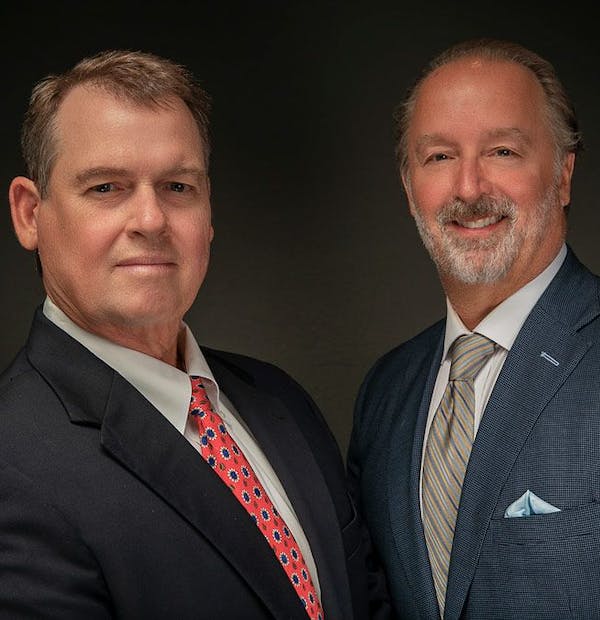
At Reed & Terry Law Firm, our personal injury attorneys have over 60 years of combined experience providing high-quality representation to clients throughout Texas. Our firm is proudly affiliated with prestigious organizations, including: