
Key Takeaways
- A demand letter formally requests compensation and puts an insurer on notice of a claim’s full scope.
- Insurers respond to documentation, so a vague letter typically draws a vague or incomplete settlement offer.
- Strong letters include documented medical records, lost wage proof, and clear liability evidence supporting the claim.
- After a demand letter goes out, insurers typically counter, dispute damages, or request more documentation.
- Texas reduces recovery based on fault, and bars claims entirely once responsibility exceeds 50 percent.
- Sending an unrepresented demand letter risks conceding fault language that lowers or eliminates compensation.
After a car accident, a fall, or another injury caused by someone else’s negligence, insurance adjusters do not wait long before contacting you, often before you have any sense of what your claim is actually worth. Reed & Terry Law Firm’s Sugar Land personal injury lawyers help injured Texans get past that early pressure and reach the point that actually shifts a claim: the demand letter. What is a demand letter? In short, it is a formal written request that lays out what happened, what it cost you, and what you expect in return. Understanding how this document works in a Texas injury claim can shape everything that follows, including the number an insurer is willing to pay.
Speak With a Personal Injury Lawyer Today
Why a Demand Letter Matters in a Texas Injury Case
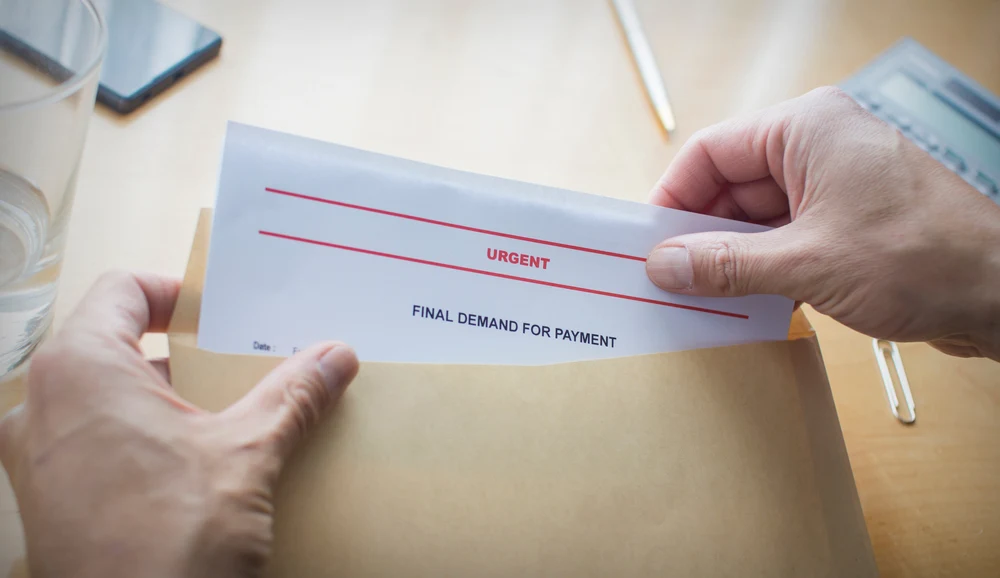
A demand letter serves as the official bridge between your personal injury claim and a settlement conversation with an insurance company. It is a formal request that spells out what happened, why the other party bears responsibility, and how much money you expect in return. As Cornell’s Legal Information Institute explains, it is meant to open negotiations in the hope of resolving a dispute without the time and expense of a lawsuit. In a Texas injury case, you typically send this document after medical treatment, once the extent of your harm becomes reasonably clear.
Before your demand letter goes out, the insurance company usually has no formal statement of your position. Adjusters may have a police report, some initial medical bills, and their own internal notes, but they do not yet have a structured argument connecting the at-fault party’s conduct to your injuries and losses. The letter fills that gap. It puts the insurer on notice of your claim’s full scope and starts the clock on a response.
You might assume the insurance company will simply calculate a fair number once the facts are known. In practice, insurers respond to what is put in front of them.
The evidence determines the offer.
What a Strong Demand Letter Needs to Include
Your demand letter carries very little weight if it reads like a complaint rather than a document supported by evidence. Insurance adjusters look for specific elements before taking a claim seriously, and a letter missing any of them tends to get set aside or answered with a lowball counteroffer.
At a minimum, your letter should identify the parties involved, describe how the crash or incident occurred, and explain why the other party bears responsibility under Texas law. It also needs to lay out your injuries, the treatment you received, and the financial impact those injuries created. Beyond the facts, the letter needs a clear request: a specific figure you are asking the insurer to pay, along with a reasonable deadline for a response.
Precision matters more than length. An adjuster reading a well-documented two-page letter will take it more seriously than a rambling 10-page account built on assumptions.
The Role of Medical Records, Lost Wages, and Liability Evidence
When we prepare a demand letter, we build it around three categories of proof. Each one answers a different question an adjuster is going to ask.
- Medical records: Emergency room notes, imaging results, physician assessments, and records of ongoing treatment connect the injury directly to the incident and establish how serious the harm actually was.
- Lost wages: Pay stubs, employer statements, and tax records establish what you actually earned before the incident and how much income the recovery period cost you. When an injury reduces your ability to work in the future, that loss needs separate documentation beyond a general estimate.
- Liability evidence: Police reports, witness statements, photographs of the scene, and, in cases involving a commercial vehicle, records such as inspection or maintenance history show who was legally at fault for causing the crash.
Under Texas’s modified comparative fault framework, which reduces or bars your recovery based on your own share of fault, addressed further below, the third category often decides how much of the first two ever get paid.
Get Your Free Case Review
No Upfront Fees (888) 576-4669What Happens After You Send the Demand Letter
Once your demand letter reaches the insurance company, expect some delay before a reply comes back. Adjusters typically review the letter alongside their own file, verify the medical records and bills referenced, and evaluate the liability argument before responding at all.
The insurer’s reply can take several forms. It may accept your request as written, though this is uncommon the first time around. More often, the adjuster returns a counteroffer, disputes part of your claimed damages, or raises questions about fault that were not fully addressed in the letter. Some adjusters request additional documentation before making any offer, particularly when treatment is ongoing or when you sent the letter before treatment concluded.
Negotiations rarely wrap up in a single exchange. Letters and counteroffers can pass between you and the insurer for weeks, and their willingness to move typically depends on how well your original letter anticipated their objections.
When talks stall entirely, your claim may move toward litigation. Most personal injury cases in Texas never reach that point.
Does a Demand Letter Actually Work in Texas?
We hear a version of this question all the time: does putting it in writing actually change anything? Not automatically. A demand letter does not guarantee a fair settlement, and you should not expect an insurer to simply pay the requested amount because you asked politely and in writing.
What it does is force a response. An insurer that receives a well-documented letter has to engage with real evidence rather than wait and see what you might accept. A form letter pulled from a template and filled in with basic facts does not create that same pressure, because it gives the adjuster nothing specific to respond to.
We look for the same thing in every letter we send: medical documentation that holds up, wage records that are complete, and a liability argument that anticipates the insurer’s pushback before the insurer raises it. That combination is what actually moves a number.
In Texas, where how much fault you share directly affects what your claim is worth, a letter that does not deal with that fact head-on is weaker from the start.
Get Trusted Legal Guidance
No Upfront Fees (888) 576-4669Why Sending Your Own Demand Letter Can Backfire
You might be tempted to draft and send your own demand letter before speaking with an attorney, often to save time or avoid legal fees. Here is the problem: the insurance company already had lawyers working on your file the day the crash was reported. Doing this without guidance can create problems that are difficult to undo once the letter has already reached the insurer.
If you handle this without representation, you may underestimate the value of your claim, omit future medical costs, or state facts in a way that an insurer later uses against you. Insurance adjusters read every sentence for language suggesting shared fault. Texas law reduces what you can recover based on how much of the fault is yours, and cuts it off completely once your share is greater than 50 percent. Under Texas Civil Practice and Remedies Code Chapter 33, a letter that inadvertently concedes even partial fault can shrink or eliminate your claim before negotiations really begin.
One sentence can cost you a settlement.
Insurers also tend to treat a demand letter you send without legal representation differently than one prepared by an attorney with a record of taking cases to trial. Once a low anchor number is on the table in writing, moving the adjuster off it becomes considerably harder. Hiring a firm before that letter goes out is how you level the playing field instead of playing catch-up.
Ready to Pursue Your Texas Injury Claim? Talk to Reed & Terry
A demand letter is often the single most important document in your Texas injury claim, and getting it wrong can cost you real money. Reed & Terry Law Firm has spent more than 25 years dealing with insurance companies on behalf of injured Texans, and our attorneys know how adjusters evaluate a claim long before it reaches a courtroom. If you are still asking “What is a demand letter?” and whether you need help writing one, do not wait until an insurer has already seen your first offer. Call (281) 491-5000 today, and let us start working for you.

When you’ve been injured because of someone else’s negligence, you deserve experienced legal guidance from attorneys who understand what’s at stake. The attorneys at Reed & Terry Law Firm have spent decades helping injury victims across Sugar Land, Fort Bend County, and throughout Texas pursue the compensation they deserve. Through personalized representation, thorough case preparation, and dedicated advocacy, our team works to protect your rights while helping you move forward with confidence. Learn more about our attorneys or schedule your free consultation today.