
Key Takeaways
- Texas is an at-fault state, so the driver who caused the crash is responsible for the harm.
- Texas drivers must carry liability insurance that meets the minimum limits in Transportation Code Chapter 601.
- An injured person found more than 50 percent responsible for a crash cannot receive compensation in Texas.
- Police reports, photos, witnesses, and video footage help show which driver caused the collision.
- Texas insurers must include PIP coverage unless the policyholder turns it down in writing.
- Collision coverage can help fix your car, and uninsured motorist coverage helps when the at-fault driver lacks enough insurance.
After a car crash in Texas, one of the first questions we hear at Reed & Terry Law Firm is simple: Is Texas a no-fault state? The answer matters, because it decides whose insurance pays for your injuries and what you need to prove to get paid. We represent people hurt by someone else’s negligence in Sugar Land, Houston, and communities across the state. Below, we explain how fault works here, how shared blame can lower what you receive, and what to do if the other driver’s insurer denies your claim.
Speak With a Car Accident Lawyer Today
No, Texas Is an At-Fault State for Car Accidents
Texas is not a no-fault state. It uses an at-fault system, which means the driver who caused the crash is responsible for the harm. That means the at-fault driver’s insurance company should pay for your injuries and property damage.
Every Texas driver has to be able to pay for crashes they cause, and as the Texas Department of Insurance points out, most people handle that by buying liability insurance. That insurance pays for the damage a driver causes to other people, so it is usually where your compensation comes from.
You can file a claim directly with the other driver’s insurance company, and if it does not treat you fairly, you can file a lawsuit. The catch is that you have to show the other driver caused the crash.
How Texas Decides Who Pays After a Car Accident
Every Texas driver must carry at least the liability coverage required by Chapter 601 of the Transportation Code: $30,000 for injury to one person, $60,000 for injuries to two or more people, and $25,000 for property damage in a single collision. Many drivers carry only this amount, and a serious injury can use it up quickly once medical bills, missed time at work, and car repairs add up.
Insurance companies also do not pay a claim just because a crash happened. Quite frankly, from the day of your accident, the insurer already has people working to limit what it owes, and that often includes lawyers. The adjuster handling your claim will review the police report, take statements, and decide how much of the blame each driver carries. That decision matters, because in Texas it directly affects how much money you can get.
The 51 Percent Bar Rule and How Shared Fault Reduces Your Recovery
Texas allows fault to be shared between drivers. The law calls this proportionate responsibility, and it means a jury can split the blame by percentage. There is one hard limit: if you are more than 50 percent responsible for the crash, the state’s shared-fault law, Section 33.001, bars you from collecting any money for your losses. Many attorneys call this the 51 percent bar rule.
If your share is 50 percent or less, you can still get paid, but the amount goes down by your percentage of fault. For example, if a jury finds you 20 percent at fault for changing lanes without signaling, you would generally receive 20 percent less.
Insurers know this rule well. We have dealt with insurance companies for more than 30 years, and one of the most common things we see is an adjuster claiming the injured driver was speeding, distracted, or braking too late. Every percent of blame they put on you lowers what they have to pay. That is why the evidence should decide who caused the crash, not the insurance company.
Get Your Free Case Review
No Upfront Fees (888) 576-4669What Evidence Proves Fault in a Texas Crash?
Evidence collected soon after the crash helps show who was at fault.
The question is not only who hit whom, but why the crash happened.
The most useful evidence often includes:
- Police report: It has the officer’s notes and what each motorist said, but the officer’s opinion on who is at fault is not the last word.
- Photos: Photos of the vehicles, skid marks, traffic signals, and road conditions help to paint a picture of what the situation looked like.
- Witnesses: The most reliable witnesses are those who saw the crash and who don’t know either driver.
- Video footage: Security cameras at nearby businesses and traffic cameras may have caught the crash, but many delete footage within days.
- Vehicle damage: Where each car was hit, and how hard, can show how the crash happened.
Medical records do a different job. They tie your injuries to the crash and show how serious they are, whether the injury is to your body, your mind, or your emotions. One of the first things people ask us is whether we can help them find a good doctor, and we can. Our main goal is getting you healed, and seeing a doctor early also makes it harder for the insurance company to claim your injury came from something else.
Why Texas Is Not a No-Fault State Like Florida or New York
In no-fault states like Florida, New York, and Michigan, your own insurance pays your medical bills first, no matter who caused the crash. In return, you usually cannot sue the other driver unless your injury is serious enough to meet a legal standard.
Texas does not work that way. Whether you have a neck strain or a broken leg, you can file a claim against the driver who caused the crash. Where people get confused is personal injury protection, because Texas policies include it too.
Where PIP Coverage Fits in the Texas System
Personal injury protection, or PIP, is part of your own policy. It pays medical bills and lost income for you, the people you live with, and your passengers, and it pays without waiting for anyone to decide who was at fault. Texas insurers have to include it unless you turn it down in writing. If you signed that form years ago, it may still apply today, so ask your agent if you are not sure. PIP can get money to you faster, but it does not make Texas a no-fault state.
What to Do When the At-Fault Driver’s Insurer Refuses to Pay
Getting denied by the other driver’s insurer does not mean you are out of options. Insurers often argue their driver was not at fault, question your injuries, or say the policy does not cover the crash. Depending on your coverage, here is where you can turn:
- Collision coverage: If you carry collision coverage, you can file with your own insurance company to fix your car. If your company later collects from the other insurer, you may get your deductible back.
- Uninsured and underinsured motorist coverage: This part of your policy helps when the at-fault driver has no insurance or not enough to cover your losses. Texas policies include it unless you turned it down in writing.
- An attorney to challenge the denial: A lawyer can look at why the claim was denied, gather evidence to push back, and take every call from the insurance company, including requests for a recorded statement.
Attorney Travis B. Terry is board-certified in personal injury trial law, and our firm is made up of nothing but trial lawyers. When you hire us, dealing with the insurance companies becomes our job. If they will not offer a fair settlement, we are ready to take your case all the way to a jury.
Get Trusted Legal Guidance
No Upfront Fees (888) 576-4669Injured in a Texas Car Accident? Get a Free Consultation With Reed & Terry
The at-fault driver’s insurance company likely has lawyers working on its side already. Reed & Terry Law Firm has represented injured Texans since 1994, and choosing the right personal injury law firm is one of the most important decisions you will make after a crash. Whether you are still asking “Is Texas a no-fault state?” or already dealing with a denied claim, call (281) 491-5000 today for a free consultation. Let us level the playing field and start working for you now.
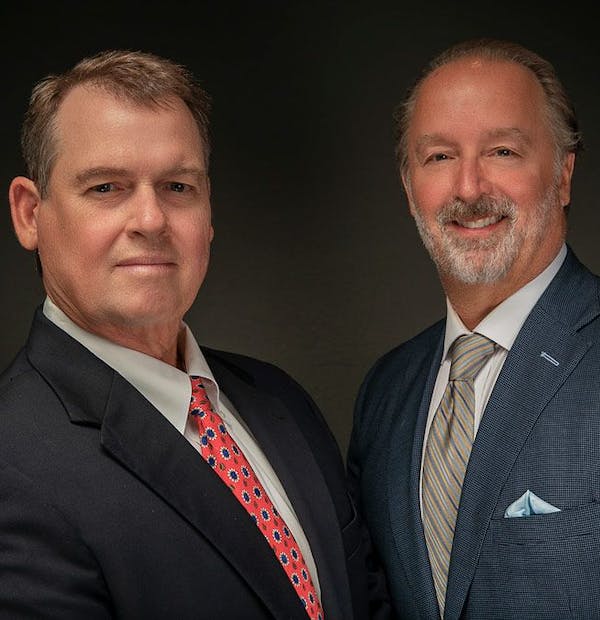
When you’ve been injured because of someone else’s negligence, you deserve experienced legal guidance from attorneys who understand what’s at stake. The attorneys at Reed & Terry Law Firm have spent decades helping injury victims across Sugar Land, Fort Bend County, and throughout Texas pursue the compensation they deserve. Through personalized representation, thorough case preparation, and dedicated advocacy, our team works to protect your rights while helping you move forward with confidence. Learn more about our attorneys or schedule your free consultation today.