
 Key Takeaways
- Texas law presumes the rear driver is at fault for failing to keep a safe following distance.
- Lead drivers can share fault for sudden stops, broken brake lights, reversing, or cut-offs.
- Texas comparative fault law bars recovery once fault reaches 51 percent or more.
- Police reports, photos, dashcam footage, and witness statements help establish fault.
- Injury claims in Texas generally must be filed within two years of the accident.
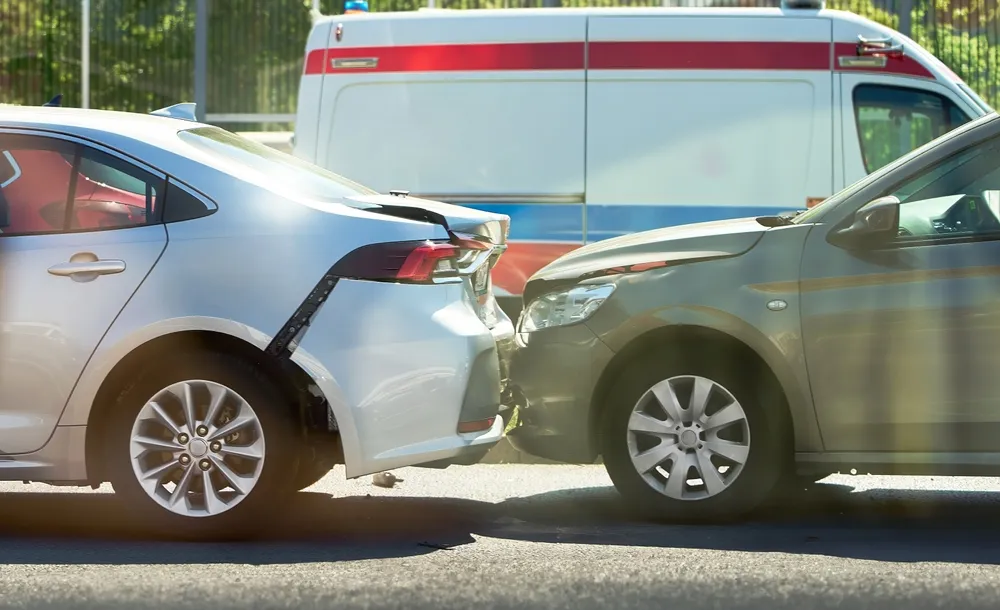
After a rear-end collision on Highway 6 or U.S. 90A in Sugar Land, Texas, one question comes up almost immediately. Who is at fault in a rear-end collision? In most rear-end crashes, Texas law presumes the driver who strikes another vehicle from behind bears responsibility, since drivers are required to maintain a safe following distance and stay prepared to stop. That presumption is not automatic, and insurers often dispute it.
A Sugar Land car accident lawyer at Reed & Terry Law Firm can explain how fault gets determined and what evidence protects your claim.
Speak With a Car Accident Lawyer Today
Why the Rear Driver Is Usually Presumed at Fault
Texas Transportation Code § 545.062 requires drivers to maintain an assured clear distance behind the vehicle ahead, adjusting for speed, traffic, and road conditions. When a driver fails to leave enough room to stop and strikes the car in front, that failure typically establishes negligence on its face.
Adjusters and courts start from this presumption because the trailing driver controls the space between the two vehicles and holds the clearest opportunity to avoid impact. So, who is at fault in a rear-end collision? In most cases, the answer points to the rear driver at first glance, though the presumption does not end the analysis.
When the Lead Driver Can Share Fault
The presumption against the rear driver can shift when the lead driver’s own conduct created the danger. A driver who slams on the brakes without cause can bear partial responsibility for the crash that follows. Broken brake lights deprive the trailing driver of the warning needed to react in time, placing the blame on the vehicle in front.
Reversing unexpectedly into moving traffic removes the following driver’s ability to anticipate the maneuver, and cutting off another vehicle before braking further compounds the risk. Each of these situations can reduce, or in some cases eliminate, the rear driver’s share of fault.
Get Your Free Case Review
No Upfront Fees (888) 576-4669How Texas Comparative Fault Rules Apply
Texas Civil Practice and Remedies Code § 33.001 establishes the modified comparative fault standard that governs every rear-end collision claim. An injured driver can still recover compensation even when they share some responsibility, as long as their percentage of fault stays below 51%. Once that threshold is reached, Texas law bars recovery entirely.
An insurance company may try to assign a larger share of blame to reduce what it owes, often citing disputed details from the crash itself, so understanding how fault is calculated matters before accepting any settlement offer.
Evidence Used to Determine Fault
As with a T-bone accident, fault in a rear-end collision is rarely decided on assumptions alone. Police reports filed with the Sugar Land Police Department or the Fort Bend County Sheriff’s Office document the officer’s initial assessment and any citations issued at the scene.
Photographs of vehicle damage, skid marks, and traffic signals near the crash site help reconstruct the moments before impact. Dashcam footage, when available, can settle disputes over sudden stops or following distance, and witness statements from bystanders along corridors like Highway 6 often confirm or contradict each driver’s account. Insurers frequently request this evidence early, so preserving it promptly works in your favor.
Get Trusted Legal Guidance
No Upfront Fees (888) 576-4669What to Do After a Rear-End Accident
Several steps after a crash can protect both your recovery and your claim:
- Call 911: Remaining at the scene lets officers create an official record.
- Document the Scene: Photograph both vehicles, road conditions, and any visible injuries.
- Exchange Information: Collect insurance and contact details, but avoid discussing fault at the scene.
- Seek Medical Care: Injuries like whiplash do not always appear right away.
- Act Within the Deadline: Texas generally requires injury claims filed within two years of the accident.
Hit From Behind in Texas? Contact Reed & Terry
If you are still asking who is at fault in a rear-end collision after a crash near Sugar Land, do not navigate insurance negotiations alone. Reed & Terry Law Firm has represented injured drivers throughout Fort Bend County since 1994, and our attorneys know how local adjusters evaluate these claims.
Call (281) 491-5000 today for a free consultation. There is no fee unless we recover for you.
When you’ve been injured because of someone else’s negligence, you deserve experienced legal guidance from attorneys who understand what’s at stake. The attorneys at Reed & Terry Law Firm have spent decades helping injury victims across Sugar Land, Fort Bend County, and throughout Texas pursue the compensation they deserve. Through personalized representation, thorough case preparation, and dedicated advocacy, our team works to protect your rights while helping you move forward with confidence. Learn more about our attorneys or schedule your free consultation today.