

Key Takeaways
- Loss of consortium lets a spouse or family member seek compensation for lost companionship after a serious injury.
- Texas treats this claim as a separate, non-economic damage tied to the underlying injury case.
- Spouses may file in most injury cases, while parents and children qualify mainly in wrongful death or catastrophic injury cases.
- Proving the claim requires evidence of the relationship, the severity of the injury, and real changes in daily life.
- These damages depend on documentation and testimony, not on any fixed or guaranteed dollar amount.
When a serious accident injures someone, the damage is only part of the story. Spouses and close family members often lose something the law recognizes as real: companionship, intimacy, and daily support. This is called loss of consortium, and it can form a distinct part of a personal injury claim.
At Reed & Terry Law Firm, our personal injury lawyers help families in Sugar Land, Texas, understand these damages after a loved one is injured. If you are searching for a Sugar Land personal injury lawyer to explain how these claims work, here is what Texas law requires.
Speak With a Personal Injury Lawyer Today
How Loss of Consortium Is Defined Under Texas Law
In Texas, loss of consortium is a non-economic damages claim brought by a spouse or close family member of an injured person, seeking payment for the loss of companionship, affection, comfort, and intimacy that resulted from the injury or death.
This claim exists separately from the injured person’s own claim for medical bills or lost wages. Loss of consortium recognizes that an injury does not stop with the person hurt; it also damages the relationship itself. Texas courts require the claim to attach to an underlying injury or wrongful death action rather than stand on its own.
Who Can File a Loss of Consortium Claim
Under Texas Civil Practice and Remedies Code § 71.004, the surviving spouse, children, and parents of a person killed by another party’s negligence may each pursue a claim for their own loss. In cases involving a serious but non-fatal injury, Texas courts generally limit standing to the injured person’s spouse. Outside of a wrongful death claim, Texas allows a parent or child to bring a consortium claim only in narrow circumstances involving a catastrophic, permanent injury to the other. Confirming who qualifies depends on the relationship at the time of the injury and how the harm has affected daily life.
What You Must Prove to Recover
Recovering compensation for loss of consortium requires more than showing a family member is struggling. Texas courts expect proof of four elements: a valid qualifying relationship at the time of the injury, a serious and often permanent injury to the primary victim, a real change in the companionship or intimacy the relationship once provided, and a direct connection between the injury and that loss.
Medical records, caregiver logs, and statements from people who knew the couple before and after the accident help establish this connection. Without documentation, insurance adjusters routinely dispute the claim.
Get Trusted Legal Guidance
No Upfront Fees (888) 576-4669How Loss of Consortium Fits Into a Larger Injury Claim
Loss of consortium is never filed alone. It rides alongside the injured person’s own claim for medical expenses, lost income, and pain and suffering, and it depends on that underlying case succeeding. If the injured person cannot prove the other party’s negligence, the derivative consortium claim fails as well. Building both claims together with consistent evidence gives the case a stronger foundation and prevents the family’s loss from being overlooked during settlement talks.
How These Damages Are Valued
Loss of consortium falls under the non-economic damages category defined in Texas Civil Practice and Remedies Code § 41.001, which covers losses without a fixed dollar value, such as companionship and emotional support. Because these damages are subjective, value depends on the strength of the relationship, the permanence of the injury, and how clearly the change has been documented.
Courts and insurers weigh testimony from the spouse, medical records describing the primary injury, and, in some cases, input from mental health professionals. Every situation is different, and no specific award can be promised in advance.
Get the Help You Deserve
No Upfront Fees (888) 576-4669Injured Because of Someone Else’s Negligence? Contact Reed & Terry
An injury to someone you love can quietly cost you just as much. If your family life has changed because of another party’s negligence, Reed & Terry Law Firm is ready to review your situation and explain whether a loss of consortium claim applies to your circumstances.
Call (281) 491-5000 today for a free, no-obligation consultation. There is no fee unless we recover for you.
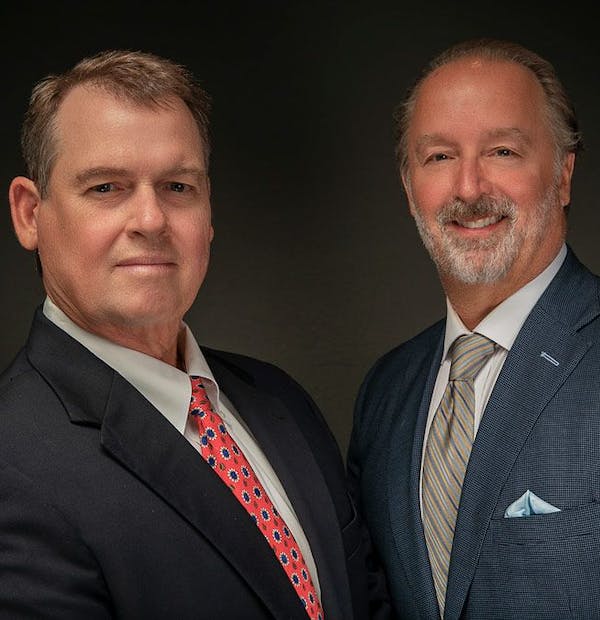
When you’ve been injured because of someone else’s negligence, you deserve experienced legal guidance from attorneys who understand what’s at stake. The attorneys at Reed & Terry Law Firm have spent decades helping injury victims across Sugar Land, Fort Bend County, and throughout Texas pursue the compensation they deserve. Through personalized representation, thorough case preparation, and dedicated advocacy, our team works to protect your rights while helping you move forward with confidence. Learn more about our attorneys or schedule your free consultation today.