

Key Takeaways
- The law holds property owners responsible when an unsafe condition they failed to fix causes your injury.
- Texas expects owners to check their property, fix problems in a reasonable time, and warn visitors about dangers.
- The reason you were on the property affects how much protection the law gives you.
- You usually need proof the owner knew about the danger, or should have found it, before you got hurt.
- You may recover money for medical treatment, lost wages, pain, and emotional distress caused by the injury.
- You generally have two years to file a lawsuit, but government claims require written notice within six months.
What is premises liability? It is a property owner’s legal responsibility for injuries caused by unsafe conditions on that property. Premises liability is a branch of personal injury law built on negligence. It holds owners and others who control a property accountable for harm that happens there, but only when you can show they failed to keep the property reasonably safe. At Reed & Terry Law Firm, a Sugar Land premises liability lawyer from our team can explain how these rules apply to an accident anywhere in Fort Bend County.
Not every injury on another person’s property leads to a valid claim.
Whether yours does usually comes down to a few practical questions. Why were you on the property? Did the owner know about the danger, or should the owner have found it? Can the evidence connect that danger to your injury? Texas law gives specific answers to each one.
Speak With a Premises Liability Lawyer Today
How Texas Law Holds Property Owners Responsible for Unsafe Conditions
The idea behind premises liability starts with a broader legal concept. Cornell Law School’s definition of liability explains that a person or business becomes liable once the law holds them accountable, whether through their actions or their inaction, and that the conduct required varies from state to state. On a property, inaction often looks like a spill left on a floor, a broken stair nobody repaired, or a gate that stopped latching months ago.
Courts treat these claims as negligence cases. In plain terms, negligence means failing to use the care a sensible person would use in the same situation. For a landlord or store manager, the question is usually whether they checked the property, fixed problems in a reasonable time, and warned visitors about dangers they could not repair right away. If you are asking “what is premises liability?” start here: Texas does not require owners to guarantee your safety, but it does expect them to act on risks they knew about or should have caught.
Common Premises Liability Accidents in Sugar Land
Those risks take different forms across Sugar Land, where growth along Highway 6 and Interstate 69 has added apartment communities, retail centers, and hotels. The accidents below come up often in Fort Bend County, and each one turns on the same two questions: what did the owner know, and what did the owner do about it? The goal is not to blame a property owner for every accident, but to show, with evidence, where their choices fell short.
Slip and Falls on Wet Floors, Uneven Walkways, and Poorly Lit Stairs
Slip and fall accidents rank among the most frequent premises claims. They often begin with a spilled drink in a grocery aisle, rainwater tracked into a store entrance, a cracked sidewalk, or a stairwell with burned-out lights. Heavy Gulf Coast rain makes wet entryways a recurring problem for Sugar Land businesses.
Still, a fall by itself does not prove the case. The bigger question is how long the hazard was there. A spill that appeared seconds earlier gives the owner little chance to respond, while one that sat for an hour points to a missed inspection. We look for that answer in surveillance footage, cleaning logs, and incident reports, and we move quickly because businesses do not keep those records forever.
Inadequate Security in Parking Lots and Apartment Complexes
Some premises claims involve an assault, robbery, or carjacking rather than a physical hazard. An owner does not commit the crime, but they may still share responsibility when poor lighting, broken gates, nonworking cameras, or faulty locks made an attack easier. Courts ask whether the owner could have seen the attack coming, which the law calls foreseeability. To answer that, they look at how close, recent, frequent, and similar prior crimes on or near the property were, and how widely people knew about them. A documented pattern of break-ins in a complex’s parking garage carries far more weight than one unrelated incident years earlier.
Falling Objects in Retail Stores and Warehouses
Big-box stores and warehouse-style retailers often stack merchandise on shelving well above shoppers’ heads. Uneven stacking, overloaded racks, or heavy items left near an edge can bring products down with a single bump. These cases can differ from spill cases in one important way: when employees stacked the merchandise, the store can have a harder time claiming it did not know about the hazard. In these cases, we want to know who stocked the shelf, when they stocked it, and whether anyone had reported it leaning or overloaded before it fell.
Swimming Pool Accidents at Apartments, Hotels, and Private Homes
Unsafe pools at apartment complexes, hotels, and private homes can lead to drownings, near-drownings, spinal injuries from diving into shallow water, and falls on slick decks. Broken self-closing gates, missing depth markers, poor drainage, and absent warning signs are common causes of these accidents. Your visitor status matters here, since a hotel guest usually receives more protection than an uninvited visitor. Children raise a separate concern, because Texas courts may apply the attractive nuisance doctrine, a rule that can hold owners responsible when a hazard like an unfenced pool draws in young children who cannot recognize the danger.
Get Your Free Case Review
No Upfront Fees (888) 576-4669Invitee, Licensee, or Trespasser: How Your Visitor Status Shapes the Owner’s Duty
Texas does not give every visitor the same protection. The duty an owner owes you depends on why you entered the property, and courts sort visitors into three categories. Your category is one of the first things we look at in any case review, because it often shapes the entire claim:
- Invitees: You qualify as an invitee when you enter for a purpose connected to the owner’s business, such as shopping at First Colony Mall or eating at a restaurant in Sugar Land Town Square. Owners owe invitees the highest duty, which means reasonable care to protect you from dangers they know about or would discover through a proper inspection.
- Licensees: You qualify as a licensee when you enter with permission but for your own purposes. Social guests usually fall into this category in Texas, so a friend’s backyard gathering carries less legal protection than a trip to the store. The owner must warn you about, or make safe, any dangerous condition they actually know about and you do not. The owner must also avoid injuring you on purpose or through gross negligence, meaning reckless disregard for your safety.
- Trespassers: A trespasser enters without permission. The owner generally only has to avoid injuring a trespasser intentionally or through gross negligence, subject to the child-specific rules noted above.
Government property follows its own rules. For most everyday hazards, such as a broken step or a slick floor inside a public building, Texas generally holds the government only to the limited duty owed to a social guest, not the higher duty a private business owes its customers. The main exceptions involve paying to use the property and certain dangerous road conditions, which receive stronger protection.
The Four Elements of a Texas Premises Liability Claim
Once your status is clear, the next step is proving your claim. Texas courts look for four elements if you were an invitee, and you need evidence for each one:
- Knowledge: The owner knew or reasonably should have known about the condition. The “should have known” part, called constructive knowledge, usually means the hazard existed long enough that a careful owner would have found it. That timeline often decides the case.
- Unreasonable risk: The condition posed an unreasonable risk of harm, the kind of danger a sensible owner would fix. Minor imperfections usually fall short of that line.
- Failure to use reasonable care: The owner did not take reasonable steps to reduce or eliminate the risk, such as repairing it, blocking it off, or posting a warning.
- Proximate cause: This legal term means the owner’s failure directly caused your injury, and the evidence must connect the hazard to what happened to you.
Insurers often argue that you should have noticed the hazard yourself. Texas allows that argument to reduce your recovery by whatever percentage of fault a jury assigns to you, and if your share is greater than 50%, you cannot recover at all. That is why we document the condition the way it looked to you, including lighting, placement, and whether any warning was visible.
Because the owner usually holds the key records, such as surveillance video, inspection schedules, and prior complaints, our investigation starts there rather than with the insurance company’s account. Did anyone inspect the area that day? Had other visitors complained about the same problem? Travis Terry, a board-certified personal injury lawyer who co-founded the firm, has handled thousands of injury cases, many of them involving large corporations and insurance companies.
Get Trusted Legal Guidance
No Upfront Fees (888) 576-4669Economic, Noneconomic, and Exemplary Damages in Texas Premises Cases
Proving liability allows you to pursue compensation, and Texas sorts the losses you can recover into three categories. Economic damages cover the financial side of an injury, including past and future medical treatment, lost wages, and reduced earning capacity when your condition limits the work you can do. While a claim moves forward, our team can also help you find quality medical care, which is often the first concern clients raise when they call us.
Non-economic damages address losses that do not show up on a bill, such as pain, emotional distress, scarring, and the loss of activities you once enjoyed. An injury can take a toll on your mind as well as your body, and Texas law treats that harm as a real loss. Insurers tend to push back hardest here, so we build this part of the claim with medical records and a clear account of how your daily life has changed.
Exemplary damages, sometimes called punitive damages, work differently from the other two categories because they are meant to punish serious misconduct rather than cover your losses. In premises cases, these awards usually turn on gross negligence, which Texas Civil Practice and Remedies Code § 41.001 defines as an action or failure to act that creates an extreme risk of harm the owner knew about but ignored anyway, showing no real concern for the rights and safety of others.
The Two-Year Deadline to File a Premises Liability Claim in Texas
Texas gives you a limited window to act. Under Texas Civil Practice and Remedies Code § 16.003, you generally must file a personal injury lawsuit, including a premises liability claim, within two years of the day your claim legally begins. In most premises cases, that is the day you were hurt. Missing that deadline can end your right to recover, regardless of how strong the evidence looks. Different timing rules can apply when the injured person is a child or when an injury proves fatal, so it helps to confirm your exact timeline early.
Claims involving government property come with a much shorter deadline. Texas generally requires you to give the government written notice of your claim within six months of the incident, and some cities set their own notice rules. A claim involving property owned by the City of Sugar Land may therefore carry an even tighter window.
Hurt on Someone’s Property in Sugar Land? Call Reed & Terry for a Free Consultation
Protect your claim before the evidence disappears. The answer to “what is premises liability?” gives you a starting point, but property owners and their insurers often have lawyers reviewing the incident from the day you get hurt. Reed & Terry Law Firm has represented injured Texans since Jackson Reed and Travis Terry co-founded the firm in 1994, and our attorneys are ready to stand up and fight for you. Call (281) 491-5000 today to schedule your free consultation.
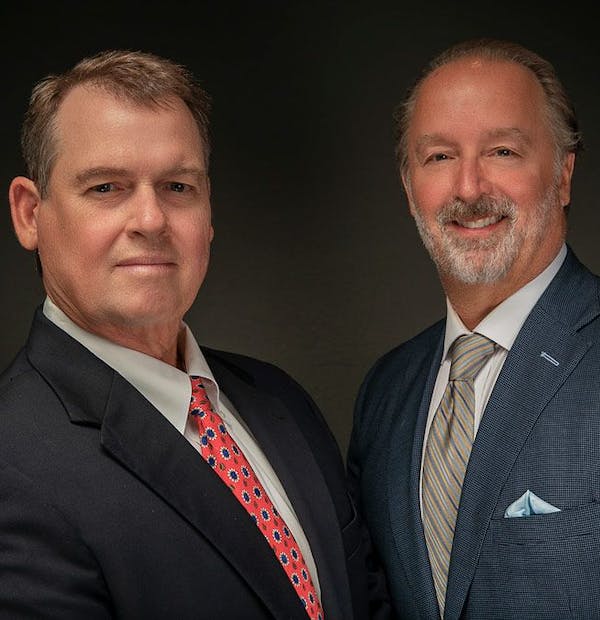
When you’ve been injured because of someone else’s negligence, you deserve experienced legal guidance from attorneys who understand what’s at stake. The attorneys at Reed & Terry Law Firm have spent decades helping injury victims across Sugar Land, Fort Bend County, and throughout Texas pursue the compensation they deserve. Through personalized representation, thorough case preparation, and dedicated advocacy, our team works to protect your rights while helping you move forward with confidence. Learn more about our attorneys or schedule your free consultation today.